The Truth About Nail Biting: Causes, Consequences, and Cures
Nail biting, known medically as onychophagia, is a habit shared by millions worldwide. From children to adults, it often starts as a harmless response to boredom or stress but can evolve into a persistent behavior with real consequences. In this article, we’ll explore why we bite our nails, the impacts it has, and practical steps to quit. We’ll also cover proper nail care, including how to file nails correctly and the benefits of mini sanding bands—all in simple, easy-to-understand language.
Why Do We Bite Our Nails?
Nail biting typically stems from emotional or psychological triggers. For many, it’s an unconscious coping mechanism for stress or anxiety, providing temporary relief during tense moments. Boredom is another common cause; when our minds wander, our hands may seek activity, leading to nail biting. Some people develop the habit in childhood, often imitating family members or using it to soothe themselves. Perfectionism can also play a role, as individuals bite nails to “fix” uneven edges. Understanding these triggers is the first step toward change.
The Consequences of Nail Biting
While it might seem minor, nail biting can have serious effects. Physically, it damages nails and the surrounding skin, causing pain, bleeding, and raising infection risks. Bacteria from the mouth can transfer to fingers, leading to conditions like paronychia (a nail infection). Over time, chronic biting can deform nails, resulting in ridges or stunted growth. Dental health suffers too—biting hard nails can wear down tooth enamel, misalign teeth, or strain the jaw. Socially, bitten nails often appear unkempt, potentially harming self-esteem and professional image. In severe cases, it can even interfere with tasks like typing or playing instruments.
Practical Tips to Quit Nail Biting
Breaking this habit requires patience and strategy. Here are some effective tips:
1. Use Bitter-Tasting Nail Polish: Apply special polishes with a foul taste to deter biting through negative association.
2. Keep Hands Busy: Engage in activities like squeezing a stress ball, drawing, or knitting to redirect the urge.
3. Practice Mindfulness: Notice when and why you bite nails. Techniques like deep breathing can help manage stress triggers.
4. Set Small Goals: Start by avoiding biting for a day, then a week, and reward yourself for milestones.
5. Maintain Nail Care: Regularly trim and file nails to keep them smooth, reducing temptation.
6. Seek Support: Share your goal with friends or consider professional help if anxiety is a factor.
How to File Nails Properly?
Proper filing keeps nails healthy and less prone to biting. Follow these steps:
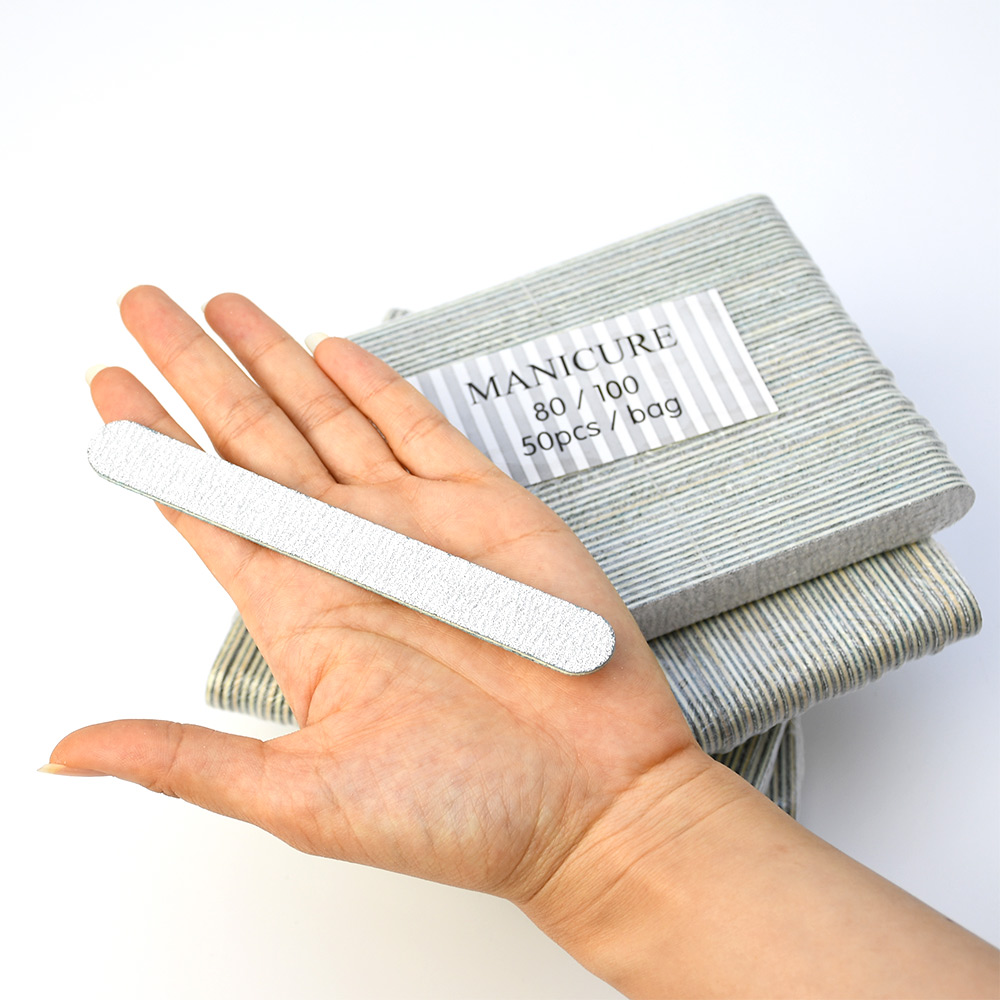
1. Choose the Right Tool: Use a fine-grit nail file or emery board. Avoid metal files, which can cause splits.
2. File in One Direction: Always file from the sides toward the center in single strokes, not back-and-forth. This prevents weakening.
3. Shape Gently: Aim for a slight oval or square shape based on preference, avoiding sharp edges that might invite biting.
4. Smooth Edges: After filing, use a buffer to polish away roughness.
5. Frequency: File weekly or after trimming to maintain neatness.
Benefits of Using Mini Sanding Bands for Filing Nails
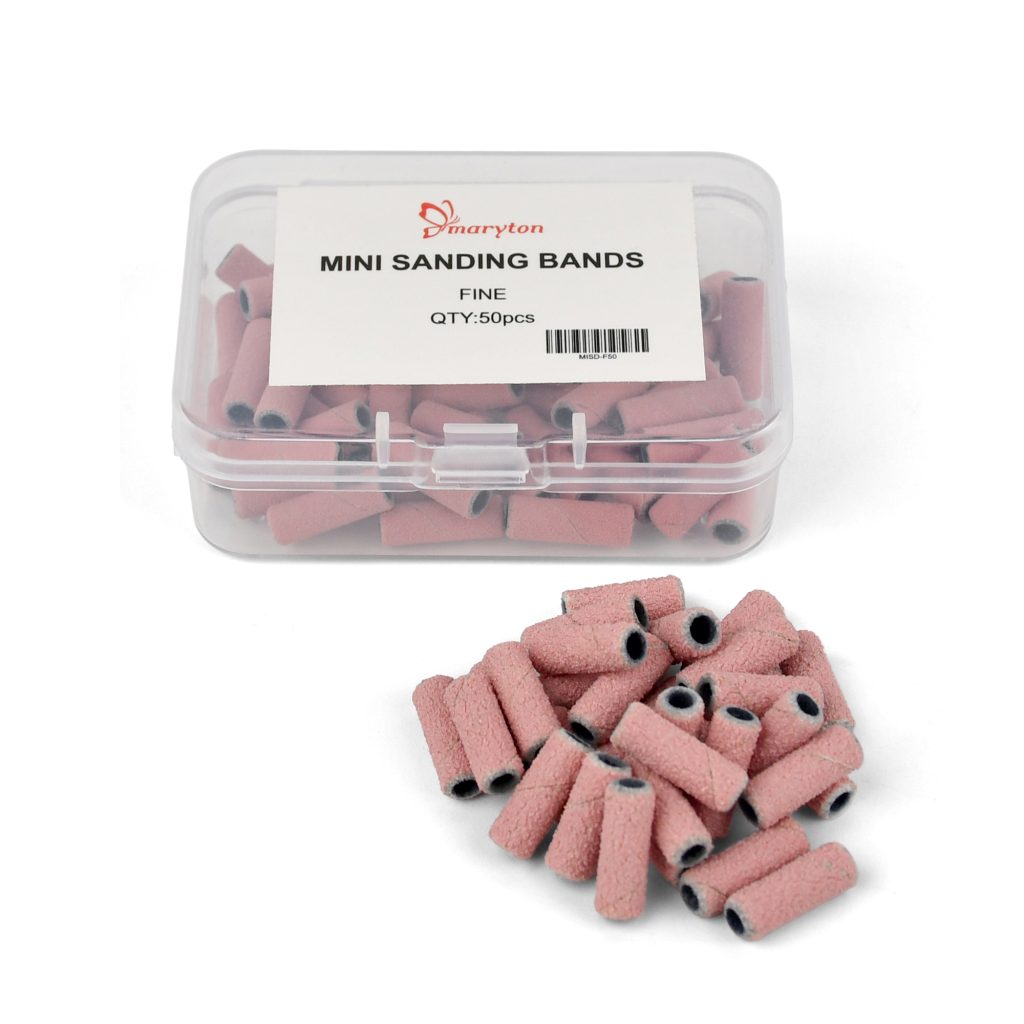
Mini sanding bands are small, cylindrical tools used with nail drills or manually. They offer several advantages:
1. Precision: Their compact size allows detailed work around cuticles and nail edges, perfect for shaping hard-to-reach spots.
2. Reduced Damage: Made with fine abrasives, they file gently without causing excessive heat or trauma to the nail bed.
3. Versatility: Available in various grits, they can be used for tasks like removing ridges or buffing, offering a customized approach.
4. Efficiency: When paired with an electric nail drill, they save time and deliver a professional finish, encouraging well-groomed nails.
5. Hygiene: Many are disposable or easy to clean, minimizing bacterial buildup compared to traditional files.
Conclusion
Nail biting is more than a bad habit—it’s a behavior with tangible effects on health and confidence. By recognizing its causes and applying practical tips, you can overcome it. Pair this with proper nail care, including correct filing and tools like mini sanding bands, to achieve healthy, attractive nails. Remember, change takes time, so be patient with yourself. With consistency, you can break free from nail biting and enjoy the benefits of better nail health.
Read also: A Simple Guide to Nail Whitening: Causes, Cures, and Care