How to naturally reduce cracks on the feet, hands?
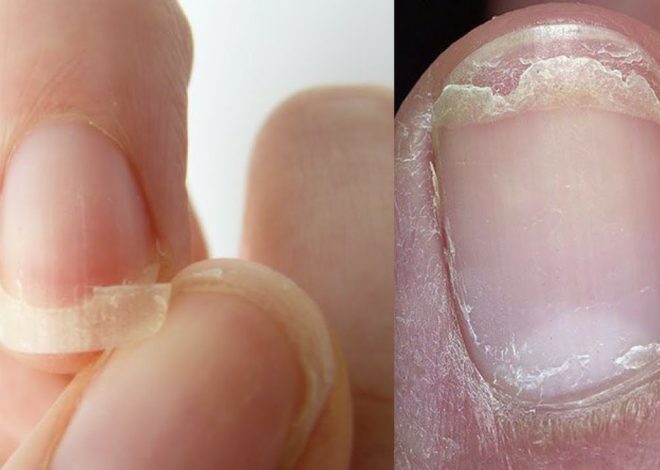
Skin cracks, more commonly known as fissures, form on the feet, hands, or even the breasts. These are unpleasant conditions that affect many people at some point in their lives. The causes of these skin cracks are quite varied, ranging from hand-foot syndrome to exposure to external aggressions. In this article, we will explore the different causes of cracks on these parts of the body, the available treatments, and preventative measures to maintain the well-being of your skin.
Cracks in the feet and hands: what causes them?
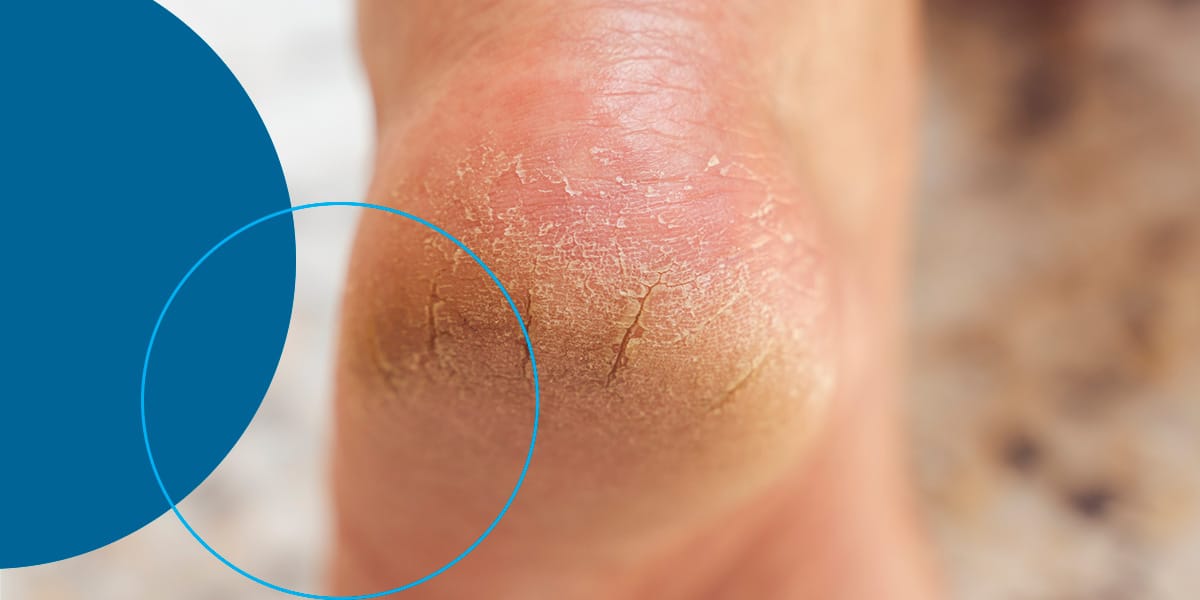
Cracks, these small, painful cracks in the skin, can appear for many reasons in many places. Feet and hands are often the result of exposure to external aggressions, highly sensitive skin, or a lack of hydration. Let’s take a closer look at the causes of these cracks on these different parts of the body.
On the feet
- Hand-foot syndrome: One of the common causes of cracks in the feet is hand-foot syndrome, which is characterized by painful cracks on the soles of the feet and the palms of the hands. This syndrome can be triggered by factors such as cold, wearing gloves, or manual labor, which place intense strain on these parts of the body.
- Improper foot positioning in shoes: Poor shoe selection, repeated kicks, or wearing synthetic socks rather than cotton can cause cracks on the feet.
On the hands
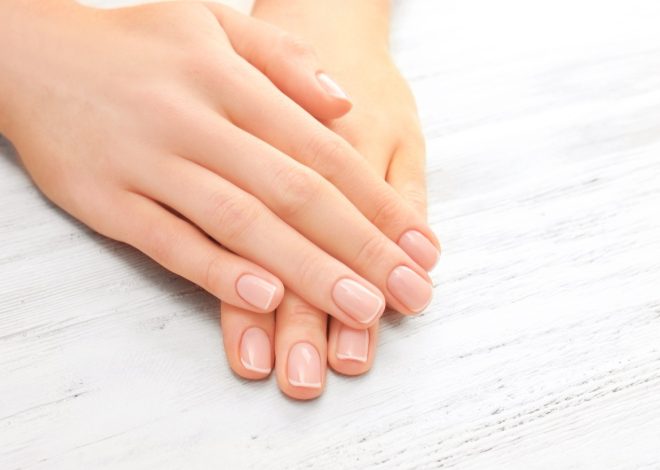
- Lack of Hydration: One of the main causes of cracked hands is a lack of hydration. Hands are often exposed to external stresses, such as wind, cold, hot water, and chemicals, which can dry out the skin. Insufficient hydration makes the skin more vulnerable to cracking.
- Exposure to External Stresses: Hands are constantly exposed to environmental factors, such as winter cold, wind, sun, hot water, and household chemicals. These stresses can damage the skin’s natural barrier, leading to cracks.
- Frequent Hand Washing: People who wash their hands frequently, whether out of professional necessity, for hygiene reasons, or due to skin conditions such as eczema, are more likely to develop cracked nipples. Soaps and disinfectants can strip the skin of its natural oils, causing it to dry out.
Known Treatments and Care for These Skin Cracks
Treatments for cracks vary depending on their severity and location. We’ve listed some steps you can take to treat these cracks and promote healing.
- Hydration and Protection: Maintaining well-hydrated skin is essential to prevent and treat cracks. Use moisturizers specifically designed for this problem on the foot, hand, like deluxe 4 pedicure kit.
2. Ointment Application: Creams containing salicylic acid can be used to gently exfoliate the skin and reduce the thickness of rough areas, thus promoting healing.
3. Natural Products: Some people prefer natural remedies. Olive oil, honey, shea butter, and green clay are natural options that can help repair the skin.
4. Foot baths: For cracked feet, soaking the feet in clear water with a little Epsom salt can soften the skin and reduce cracks.
5. Medical methods: In cases of severe cracks, side effects, or intense pain, it’s essential to consult a healthcare professional. A podiatrist can recommend more specific treatments, such as keratolytic creams or medical dressings.

What preventive measures can be taken to prevent cracks from appearing?
An ounce of prevention is worth a pound of cure. Here are some preventive measures to avoid cracks on the foot and hand:
1. Wear cotton socks and choose comfortable shoes to reduce friction and bumps.
2. Protect your skin from external aggressions by using specific creams and ensuring it is moisturized daily, especially in winter.
3. Also, maintain adequate skin hydration from within by drinking enough water.
4. Pamper your feet and hands regularly with manicure and pedicure sets.
5. If you’re exposed to the cold, wear gloves to protect your hands and opt for a warm shower… yes, even in winter!
6. If you experience recurring cracks, consider a visit to a podiatrist for professional advice and follow-up.
While skin cracks can be both painful and uncomfortable, they are treatable. To prevent these cracks, it’s essential to take care of your skin by maintaining good regular hydration, avoiding external aggressions (as much as possible), and adopting good habits to protect all the most sensitive parts of the body. If the cracks persist or worsen, don’t wait and consult a healthcare professional so they can determine the appropriate treatment. Your well-being also depends on taking care of your skin.