How to Get Strong Nails: Prevent Breaking and Cracking for Good
Few things are as frustrating as finally growing your nails out, only to have one snap right at the quick. You’re left with a jagged edge, a sore fingertip, and weeks of growth down the drain.
The good news? You don’t need expensive treatments or genetics to have strong, resilient nails. Most breakage comes from daily habits you can change. Here’s how to keep your nails tough, flexible, and less likely to split.
1. Trim and Shape Correctly
Weak nails often start with a bad shape. Square or squoval (square with rounded corners) are the most break‑resistant shapes. Avoid long, pointy styles like stiletto or extreme almond—they catch on everything.
- File in one direction only. Sawing back and forth creates micro‑tears that travel up the nail and cause peeling.
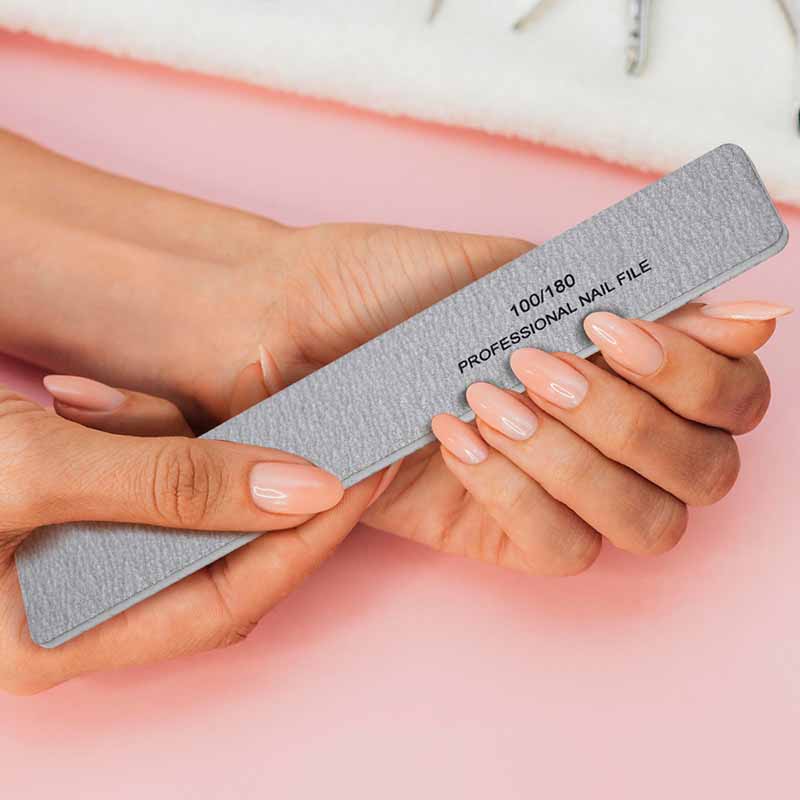
- Use a fine‑grit file (240+). Coarse nail files remove too much material and leave rough edges.
- Keep nails short if they’re prone to breaking. Let them grow gradually as they get stronger.
2. Hydrate from the Outside In
Dry nails become brittle and snap easily. Moisture is your best defense.
- Apply cuticle oil daily. Jojoba oil penetrates the nail plate better than petroleum‑based products. Massage it into the cuticle and under the free edge morning and night.
- Use hand cream after every wash. Look for ingredients like shea butter, glycerin, or ceramides.
- Wear gloves for wet work. Water is the enemy. Dishwashing, cleaning, and even long showers soften nails temporarily, but repeated cycles of swell‑and‑shrink weaken the layers.
3. Protect Your Nails from Physical Trauma
Most breaks happen because we use our nails as tools.
- Never pick, pry, or scrape with your nails. Use a tool instead.
- Avoid tapping or drumming your nails on hard surfaces.
- Wear gloves when gardening, moving boxes, or doing any manual work.
- Be mindful of how you type, open cans, or peel stickers.
4. Eat for Nail Strength
Your nails grow from within. A balanced diet makes a real difference.
- Protein – Nails are made of keratin, a protein. Eggs, fish, lean meat, beans, and lentils are excellent sources.
- Biotin – This B vitamin improves nail thickness and reduces splitting. Found in eggs, nuts, seeds, and sweet potatoes.
- Iron – Low iron causes thin, spoon‑shaped nails. Eat spinach, red meat, lentils, and fortified cereals.
- Zinc and vitamin C – Support the nail matrix and collagen production.
If your diet is lacking, a daily multivitamin or a biotin supplement (2.5–5 mg) may help. Consult a healthcare provider before starting any supplement.
5. Avoid Harsh Chemicals
Frequent exposure to acetone, hand sanitizers, and cleaning products strips natural oils.
- Use acetone‑free nail polish remover for regular polish.
- Wear gloves when using cleaning products.
- Give your nails a break from gel or acrylic every few months to let them rehydrate.
6. Don’t Over‑Buff or Over‑File
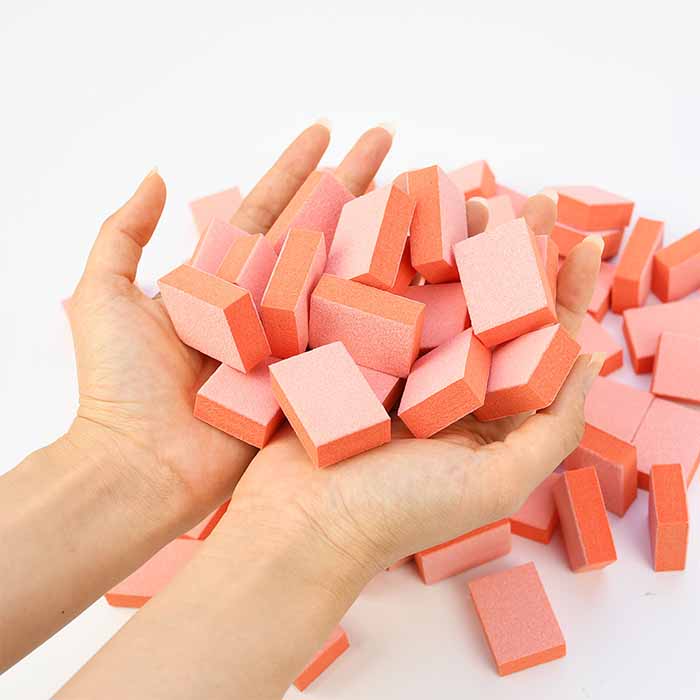
Buffing smooths ridges, but too much thins the nail plate. Limit buffing to once a week with a gentle nail buffer. Two light passes are plenty.
7. Consider a Strengthener – But Choose Wisely
Some “strengtheners” contain formaldehyde, which can make nails brittle over time. Look for keratin‑based treatments or use a strengthening base coat under your polish. Apply for a few weeks, then take a break to avoid over‑hardening.
When to See a Doctor
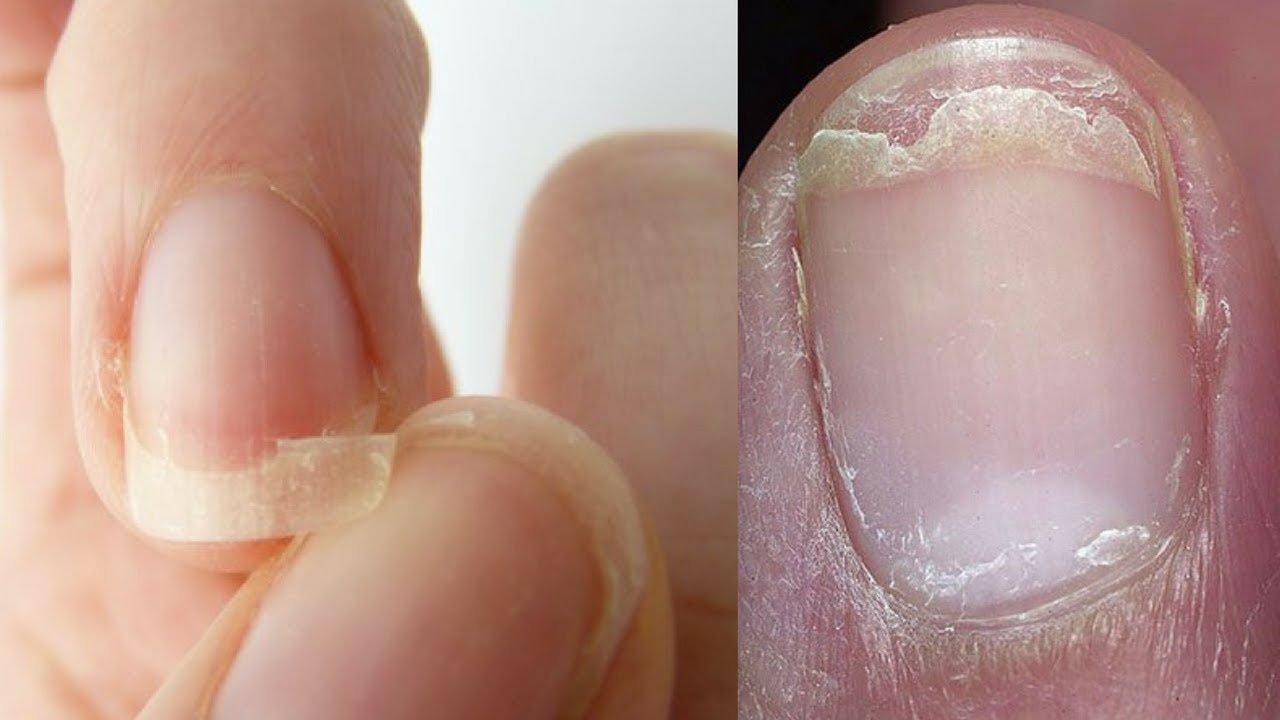
If your nails are consistently thin, peeling, or breaking despite good care, you may have an underlying issue like anemia, thyroid disease, or a fungal infection. A dermatologist can help.
The Bottom Line
Strong nails aren’t born—they’re built. Consistent moisturizing, proper trimming, protection from trauma, and good nutrition will transform brittle nails into resilient ones. Start with one new habit today. In a few weeks, you’ll notice the difference.
Read also: The Truth About Nail Biting: Causes, Consequences, and Cures